
By Celeste Saet Byeol Newman
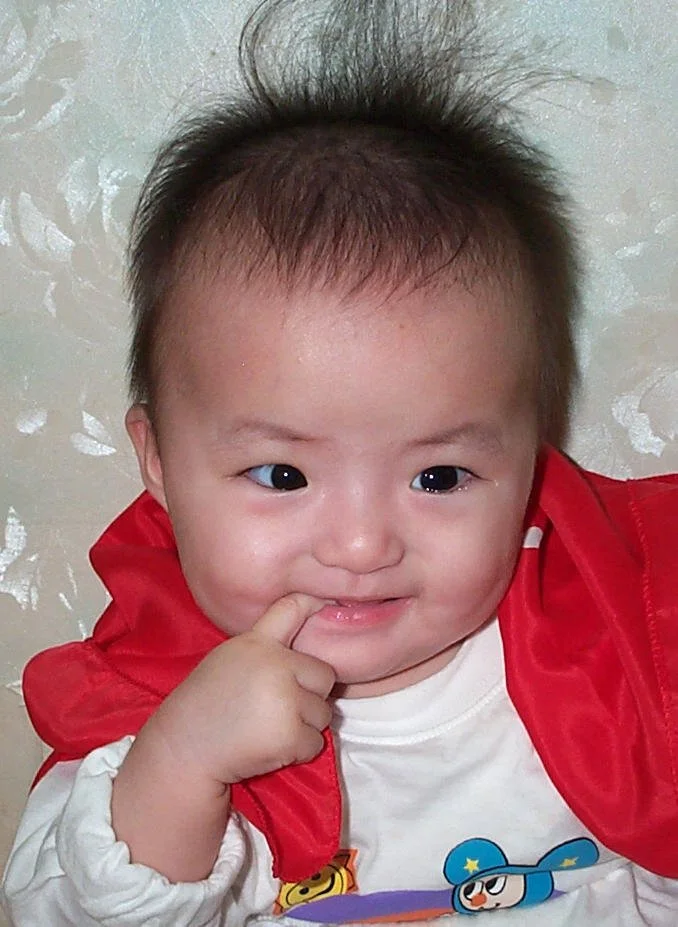
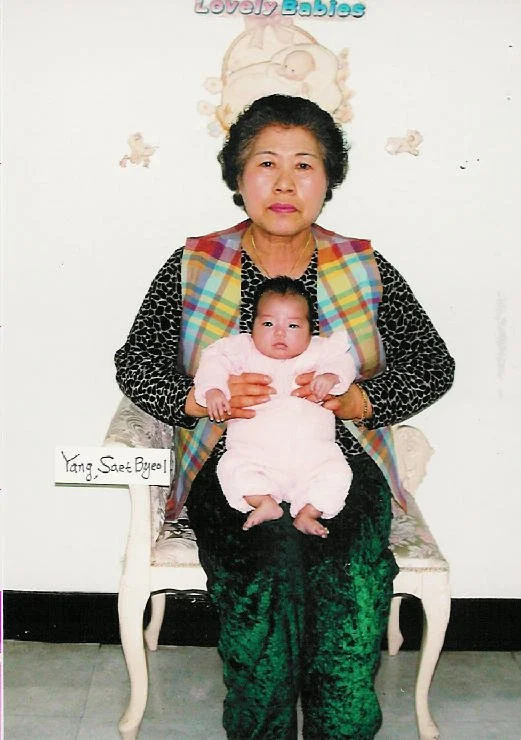
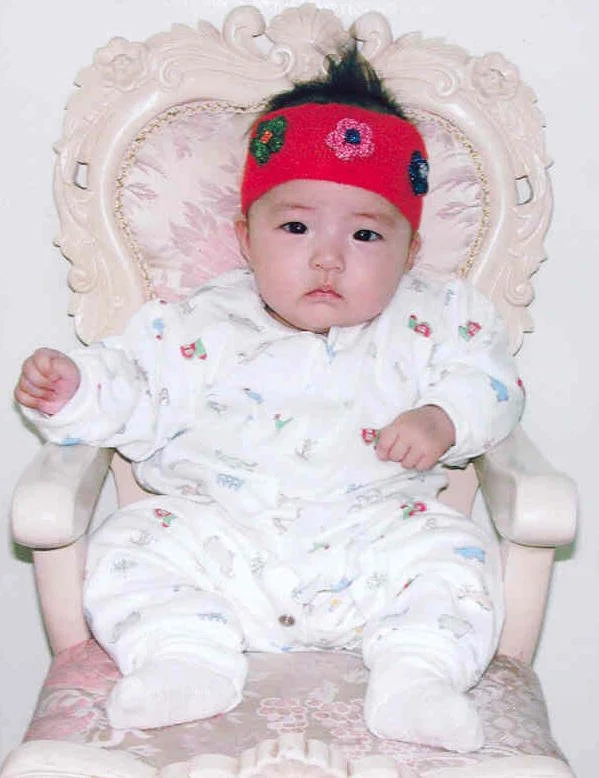
Another photo my parents were sent from Korea before I arrived.
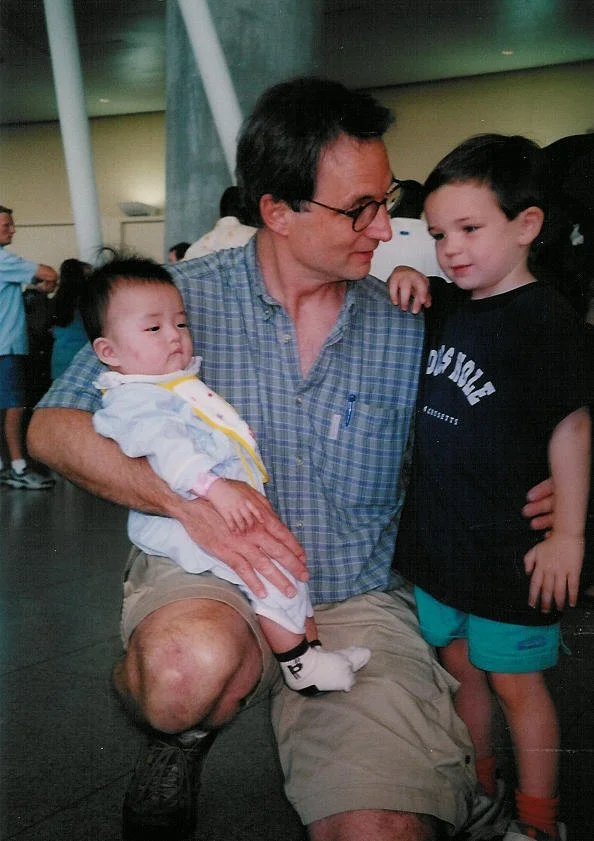
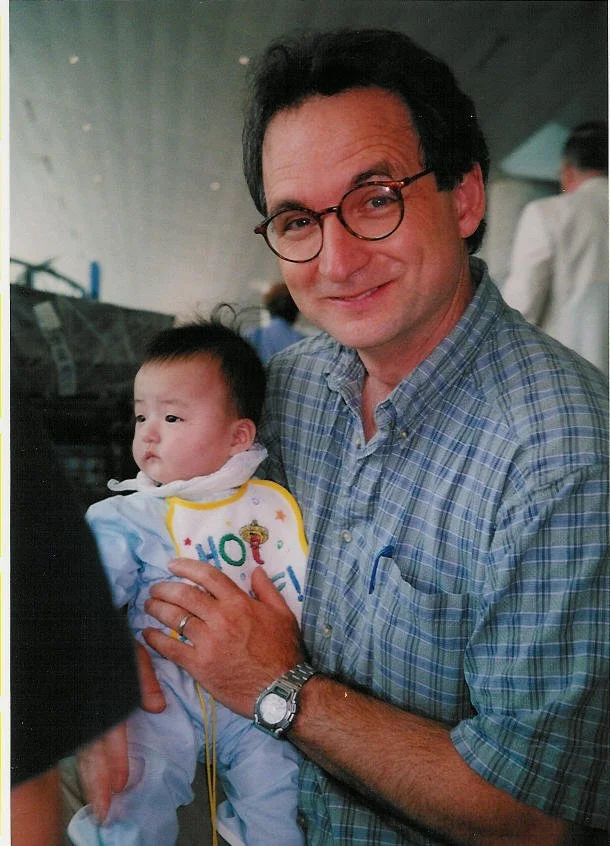
Growing up, I always knew I was adopted. My parents did a good job being transparent from an early age, and I never had to question where I came from. I understood that my birth parents, because of their young age as students and their unmarried status, would not have been able to give me a “good” life in Korea. And so my birth mother made the decision that I would be adopted. I was adopted from Korea, and in July 2002, at seven months old, I flew across the world into JFK, where I met my family for the first time.
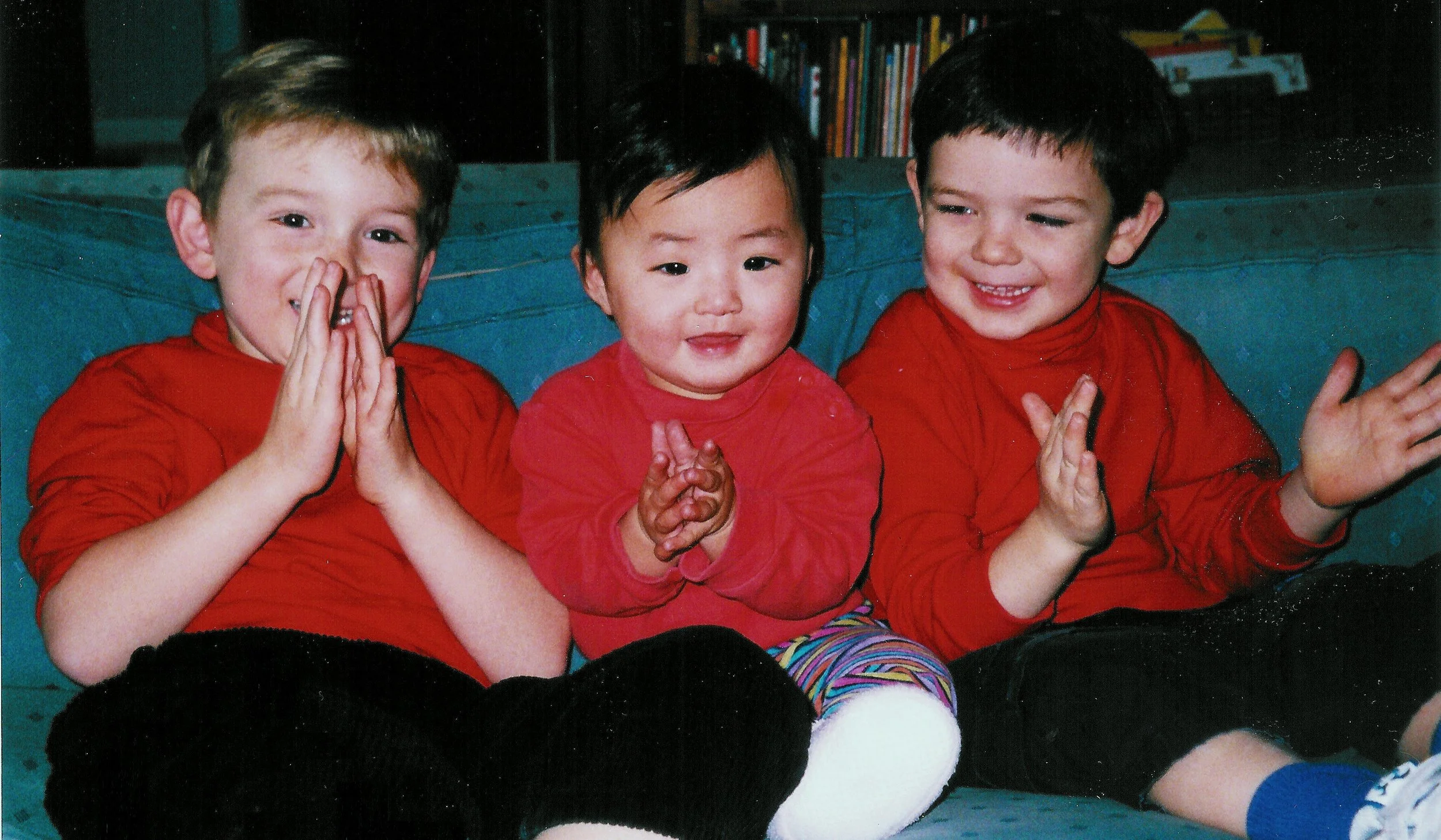
My parents love to tell the story of picking me up at the airport, and as a child, I loved hearing them retell the story over and over. Hearing them describe the anticipation of waiting months for my arrival, the excitement of meeting me for the first time, and the comfort I immediately felt with my two older brothers made me feel like I had always been part of the family; it was my destiny.
My parents were inspired by my birth name Saet Byeol 샛별, meaning “morning star”, and when I was adopted, my first name became Celeste, and my middle name remained Saet Byeol.
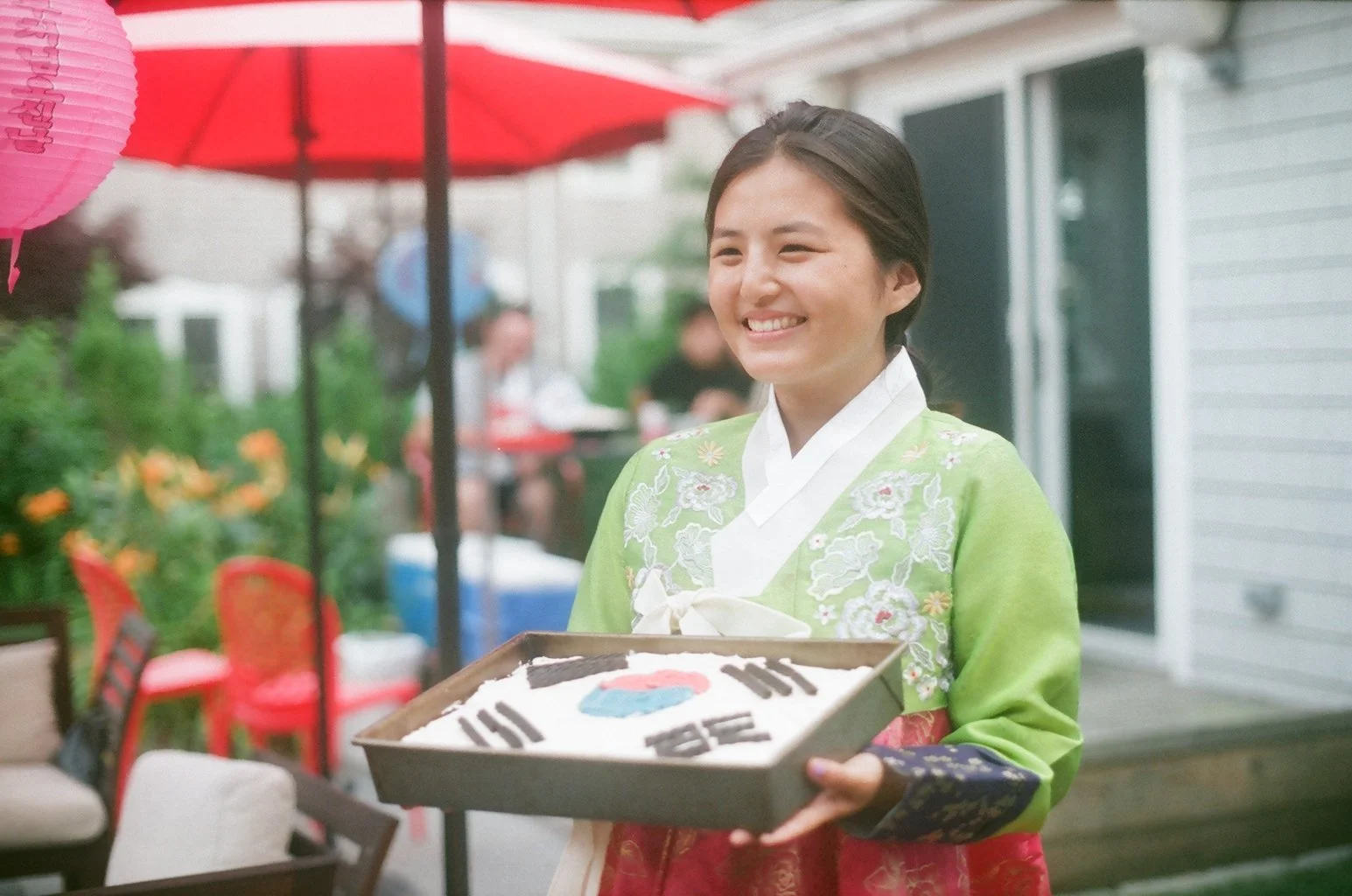
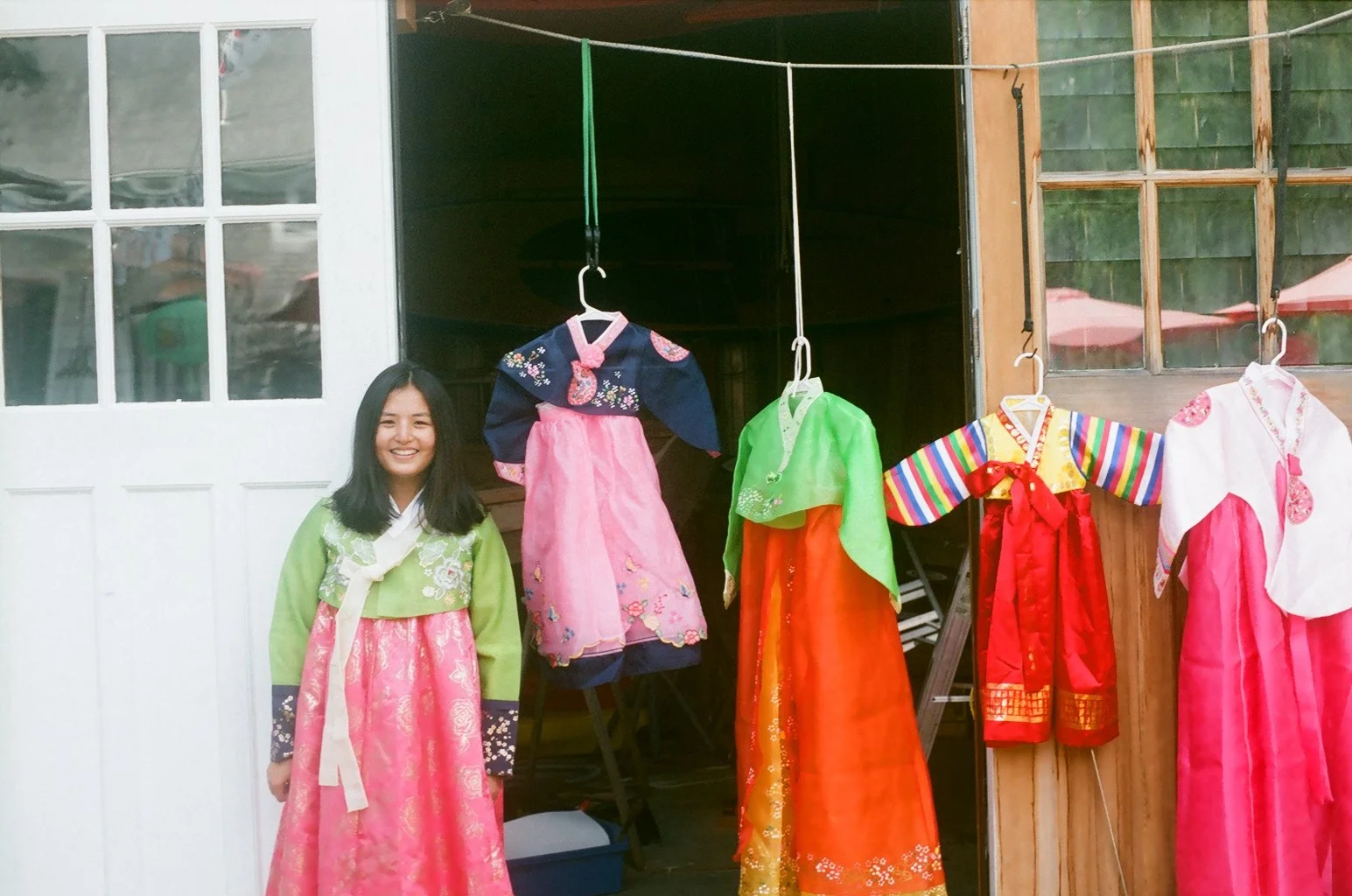
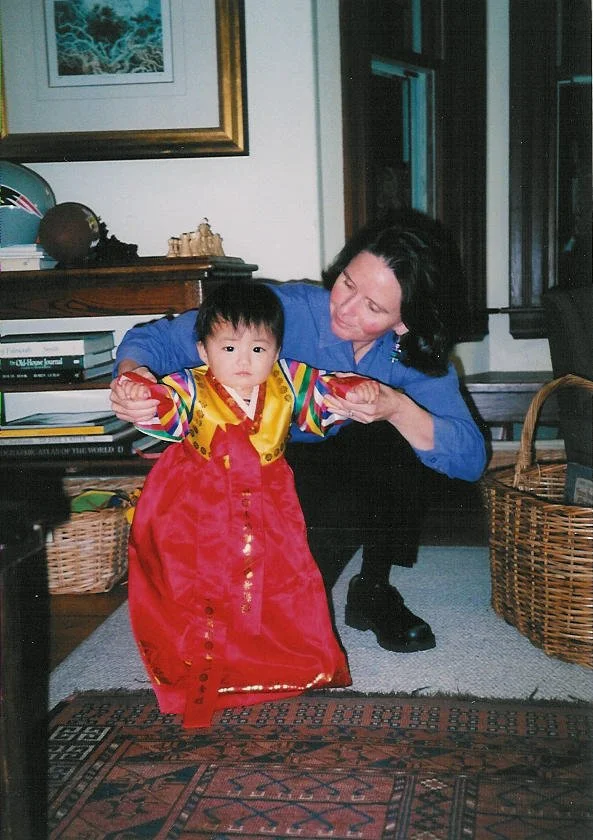
My parents took care to celebrate my Korean heritage. They included a Doljabi celebration for my first birthday; I always had a hanbok, and my mom would drive to Flushing, Queens, from Massachusetts to buy a new one when I had outgrown my previous size. Kimchi was a staple culinary item in our fridge (to this day, my dad still eats more Kimchi than me), and my two older brothers took Korean lessons for a couple of years.
I never questioned whether I was truly a part of the family. I knew that we looked different, and when meeting new people for the first time, we would sometimes have to explain that I was adopted, but to me, my family was always my family.
Me and Mrs.Choi at Eastern Social Welfare in Seoul.
When I was in second grade, over spring break, I traveled with my mom, brother, and great-aunt to Seoul. One highlight of the trip was visiting the Eastern Social Welfare Society and getting to meet my foster parents, Mr. and Mrs. Choi, who I had stayed with for my first seven months. They told me stories we had never heard before from when I was a baby that subconsciously answered a lot of questions about myself. I was able to see the nursery, and envisioned myself as an infant - waiting to go stay with Mr. and Mrs. Choi.
Of course, growing up, the sense of security I had with my family and my identity was derailed by the reality of growing up in a predominantly white town. Kids at school would ask me, “Where did you come from?” and “Where are your real parents?” While I was proud to answer that I was born in South Korea, I felt defeated by the questions about my birth parents. I had always viewed my adoptive parents as my “real” parents, but people couldn’t comprehend that. To try to escape the questions, I abandoned a lot of my Korean identity and tried to conform to as many white standards as possible.
The Korean part of my identity lay dormant for a long time, until I moved to New York City for college. At the beginning, when I would tell people I was Korean or Asian it felt like I was cosplaying an identity. I was so used to hiding that part of me. Over the past few years, I have been exploring more parts of my Korean heritage, and taking Korean lessons from the Korean Culture Project has been a step on that journey. One of my brothers even signed up to take lessons with me this session!
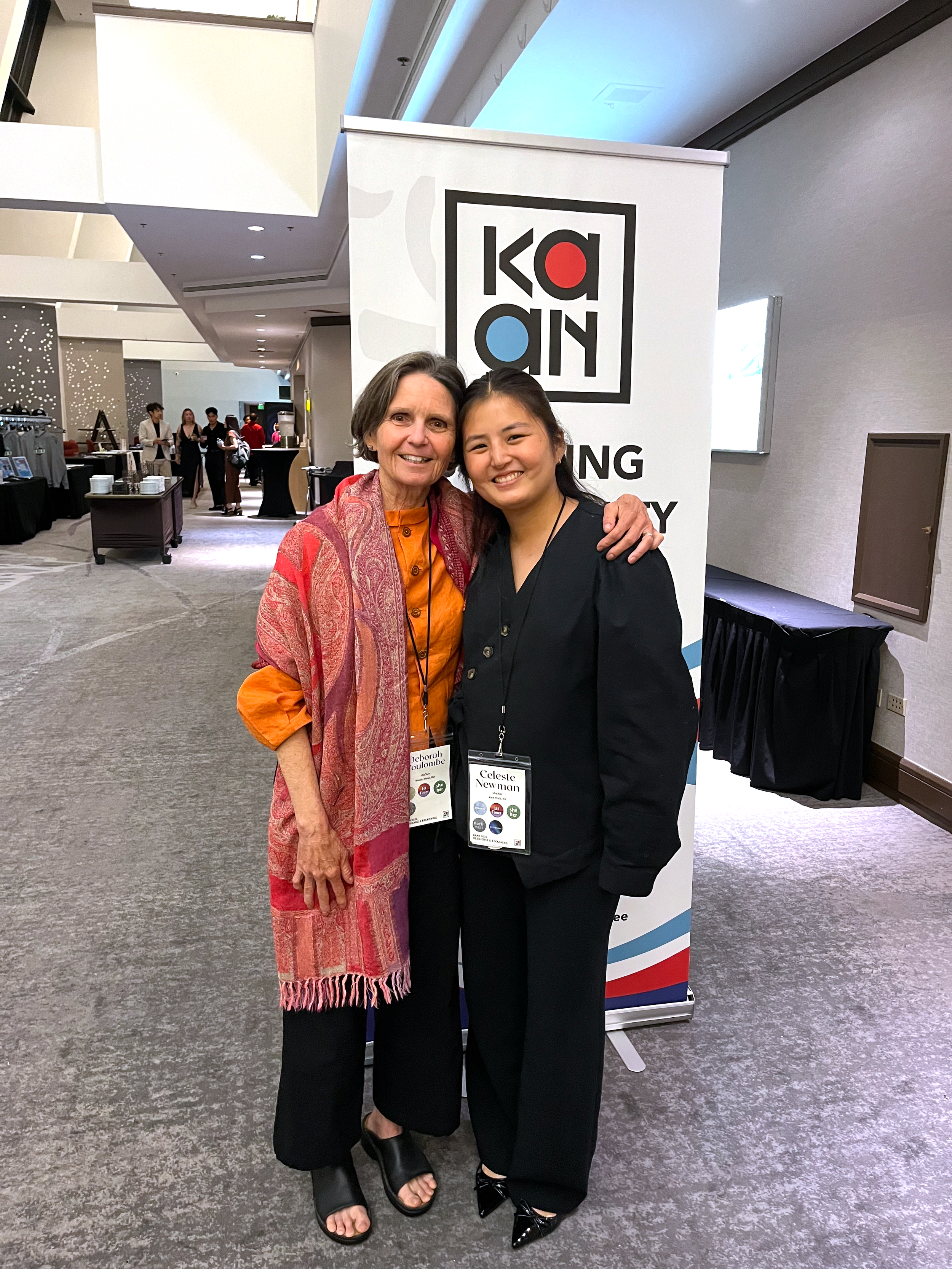
Me and my mom at KAAN
This past spring, I attended the KAAN (The Korean Adoptee Adoptive Family Network) Conference in Denver. My mother, always the supporter, came with me. The long weekend’s theme of “Reckoning and Resilience” struck a chord with me. For the first time, I was in a setting where I never felt like I needed to explain any part of my identity to anyone. I felt an instant peace with the friends I made, and we were able to make deep connections quickly because of our shared experiences. It was so impactful to hear that the feelings I had internalized for my whole life were a real collective experience. The conference felt like the tip of an iceberg, and I am excited to continue the journey of exploring more of my Korean adoptee identity, this time with the support of new friends along with my family.
For years, other people’s questions made me feel as though my identity was a contradiction I had to solve. Today, I understand that my story doesn’t require an explanation or a defense. Reconnecting with my Korean heritage has never meant pulling away from the parents and brothers who loved me from the moment I landed at JFK. Instead, it has deepened the very foundation they helped build. Finding my place within the adoptee community has replaced old doubts with a quiet, lasting confidence. I used to wonder where the line was between Celeste and Saet Byeol. Now, I know they are one and the same, and for the first time, I am moving forward into that story completely whole.
