
By Jon Oaks
Looking at Life Through the Eyes of a Korean Adoptee
Reflections for National Adoptee Awareness Month
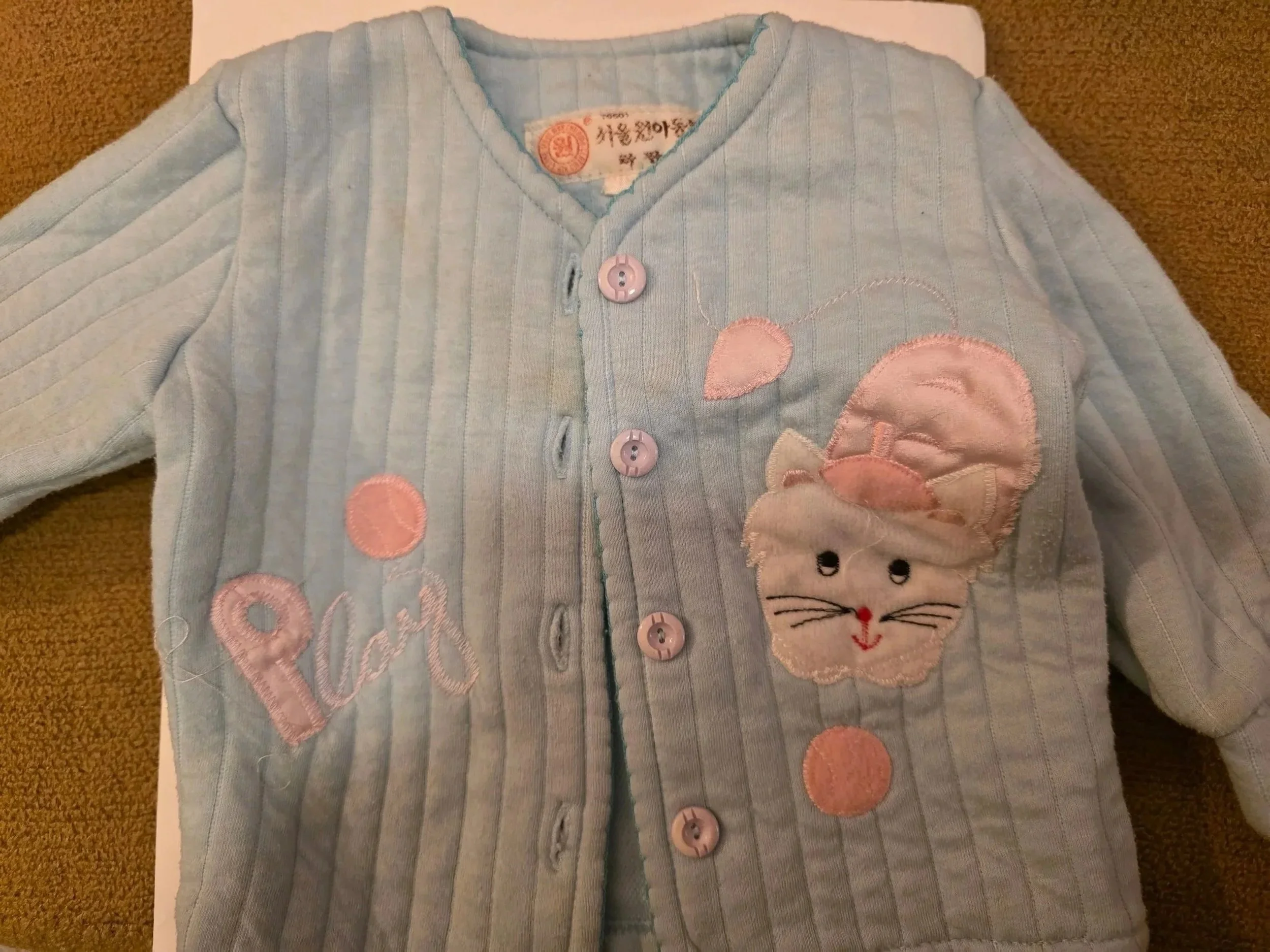
My baby clothes from Korea.
It's been more than 40 years since I was adopted from Korea, and I'm still discovering ways that my adoption has influenced how I experience the world around me. Some of these connections are obvious, but others have surprised me, especially when they come from experiences that seemingly have nothing to do with adoption.
With November being National Adoptee Awareness Month, I've found myself reflecting on several experiences that have made me think differently about my upbringing. Growing up in Flint, Michigan, meant experiencing the world largely through what was familiar to my family. At the time, I didn't have much reason to question how things might have been different had I grown up in Korea. Today, even an ordinary day at work can leave me wondering how different my life might have been and how my upbringing continues to influence the person I've become.
Bringing Cultural Experiences Into the Classroom
As a math professor, one of the things I enjoy most is finding ways to connect the material I'm teaching to real-world situations. This semester, I've been working on incorporating more international examples into my courses and finding ways to use familiar math concepts to explore different cultural settings.
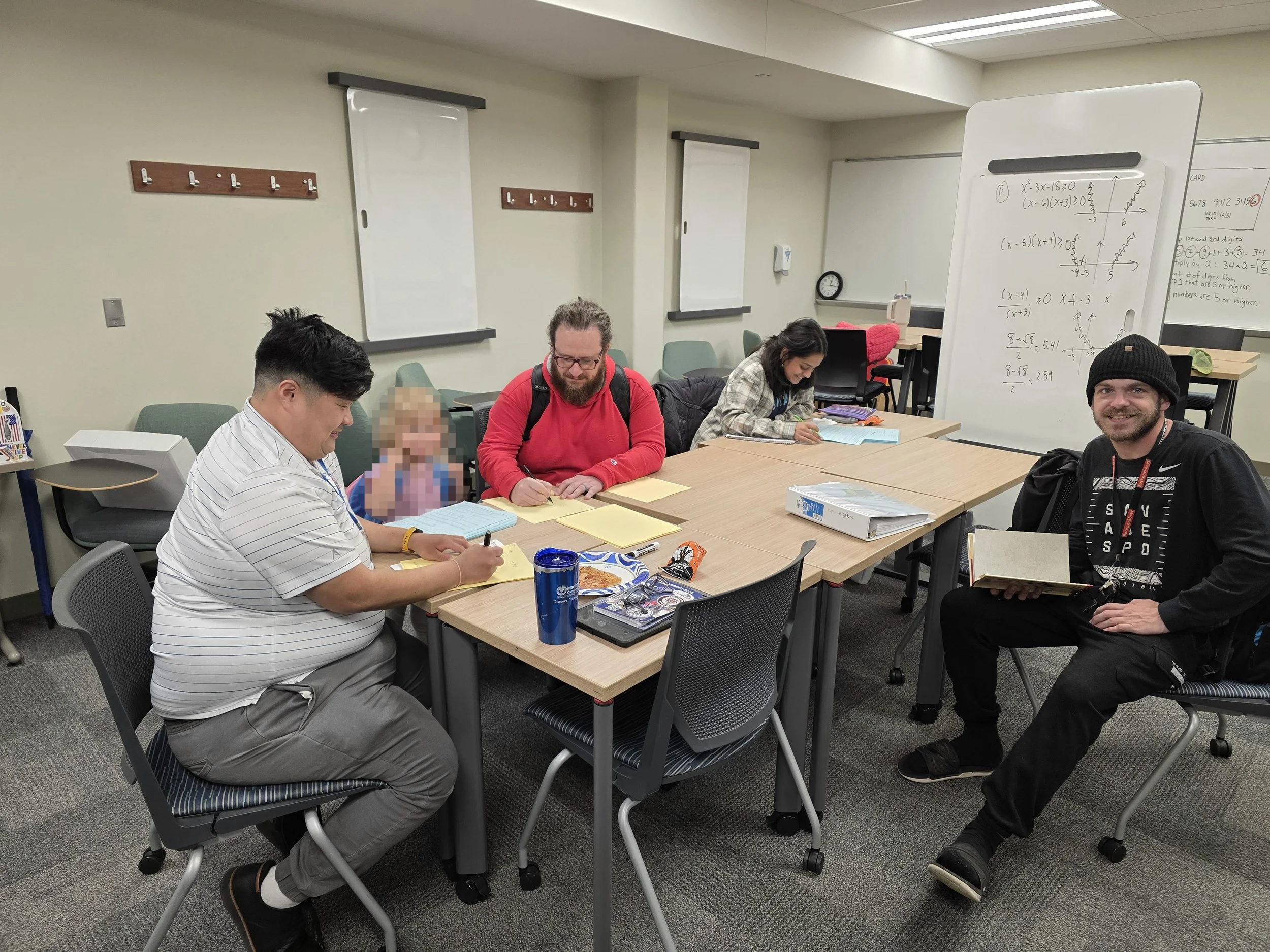
I recently modified an example I usually use in my linear algebra class that involves the sale of hammers, screwdrivers, and other hardware store items. The new example involved Korean convenience stores and snacks such as ramyeon. The math behind the problem remained exactly the same, but the context was different.
While I was developing the example, I wondered whether I would feel comfortable talking about Korean convenience stores in class. These stores and snacks weren't part of my own childhood experience, even though they are associated with my birth country. The lesson itself went well and wasn't much different from teaching any other application problem, but I still found it unusual to be discussing aspects of Korean culture that I hadn't grown up with myself. It made me wonder whether these were the kinds of examples I might have encountered as a student had I attended school in Korea.
Another course I teach includes a unit on the mathematics of voting. The unit always seems to fall around election season, and students learn how different voting methods can potentially produce different results from the same election. Although voting is often associated with political debates, it's possible to study the math behind elections without discussing political parties or candidates. It's another example of how something happening in the world around us can become part of a classroom lesson without changing the math being taught.
Teaching the Korean convenience store example also made me reconsider how students might experience the problems I use in class. I began wondering how I might have felt growing up if one of my teachers had used an example involving Korean culture. I probably wouldn't have been familiar with many of the references, but perhaps seeing something connected to my own heritage would have made the lesson feel a little more personal. It's made me more conscious of the examples I choose and how they might resonate differently with students depending on their own experiences.
Reflecting on Politics and My Upbringing
In general, I don't enjoy discussing politics. Politics wasn't something we discussed much at home when I was growing up, and I don't remember my parents ever putting political signs in the front yard. The recent elections have made me think more about how my upbringing may have influenced my understanding of politics and civic engagement.
One of my memories from high school involves receiving a $500 scholarship to help purchase textbooks for my first semester of college. The mayor of Flint was present at the award ceremony, and I had the opportunity to shake his hand on stage. I jokingly made a comment about the Democrats being back in control as I returned to my seat. Some people in the audience laughed and cheered, but I remember looking at my family and noticing that they didn't seem as amused. I thought I was making a harmless joke and didn't understand why anyone might have been uncomfortable with it.
I still wonder whether my parents intentionally avoided discussing politics with me or whether it simply wasn't something they considered important to bring up at home. I also wonder how my own political views might have developed differently had I grown up in a Korean family.
The 2020 elections eventually motivated me to become more involved in my community beyond simply voting. I wanted to help raise the voices of Koreans and other minorities in the community where I live. When I bought my house, I specifically chose to live in the same city where I teach because I wanted to be part of the community where I work. Living in a community also means finding ways to contribute to it.
That desire to contribute led me to the City of Warren Cultural Commission, where I currently serve as Vice Chair. It's a nonpartisan appointed position that allows me to participate in civic activities while focusing on cultural understanding rather than political parties or candidates. I appreciate that opportunity because encouraging cultural understanding and inclusion shouldn't be about politics. Everyone in a community should have opportunities to feel represented and have their voices heard.
Korean Culture Then and Now
A friend and I were recently talking about how much the world has changed since we were growing up, particularly when it comes to exposure to different cultures. She grew up in a small Michigan town where eating tacos from the buffet at Ponderosa was about as close as she came to experiencing Mexican food. I grew up in Flint and remember going to Mexican, Chinese, and Italian restaurants with my family, but there were relatively few opportunities to experience Korean culture as part of everyday life.
These days, I'm absolutely stoked to see how popular Korean culture has become. Korean BBQ restaurants seem to be everywhere, and I'd happily enjoy chimaek (치맥, Korean fried chicken and beer) and noraebang (노래방, Korean karaoke) every weekend if I could. I'd also have no complaints about starting every morning with a strawberry croissant from Paris Baguette or Tous Les Jours! Trips to H Mart have replaced quite a few of my trips to the regular grocery store, and I recently walked into Barnes & Noble to discover an entire wall of K-pop albums in the music section. There was even a rack of magazines featuring Korean artists other than BTS.
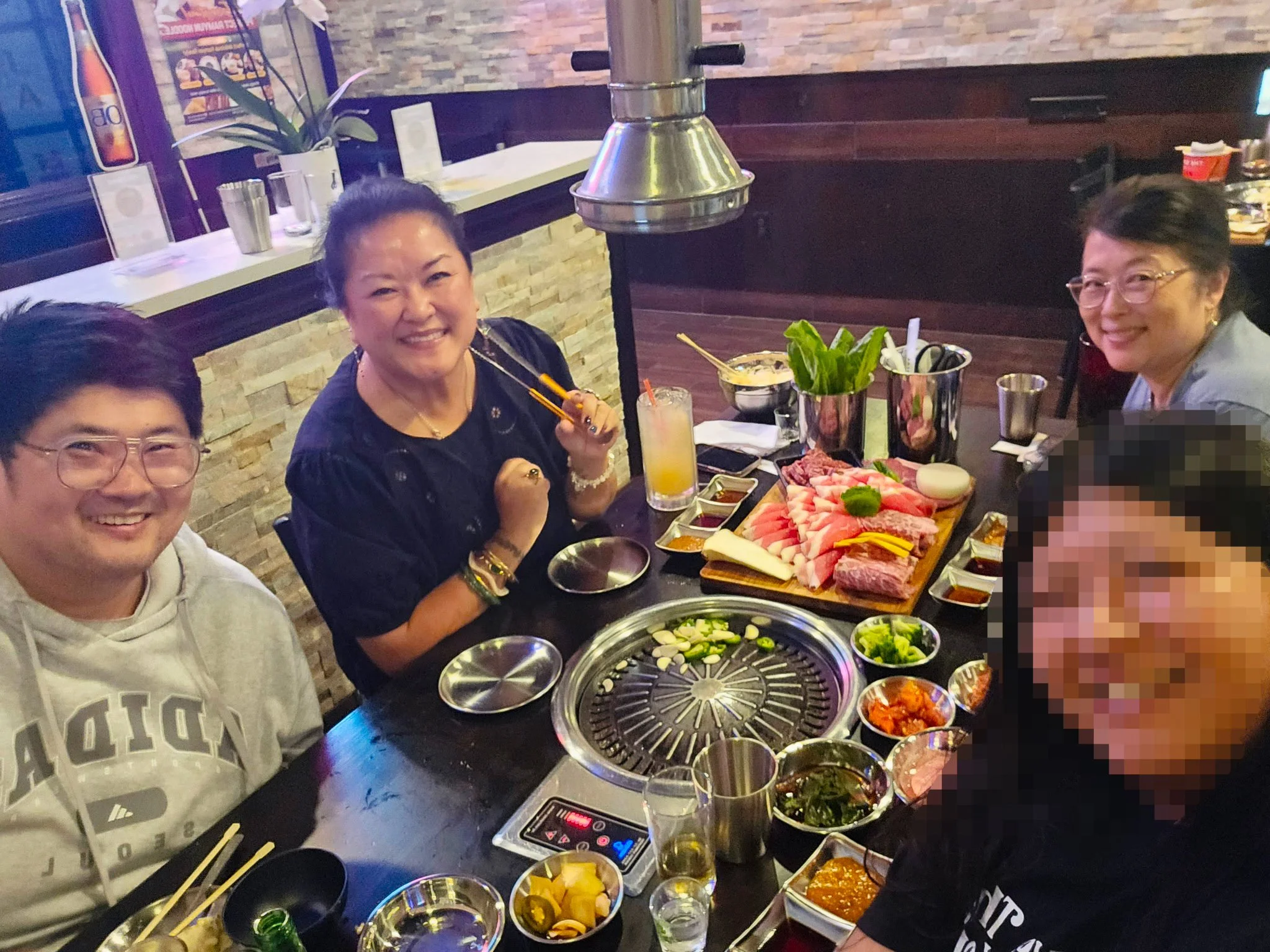
Korean culture has also found its way into places I never would have imagined. Even gas station convenience stores are selling Korean-inspired roller grill items, and retailers like Ulta and Nordstrom Rack have dedicated sections for K-beauty products. I certainly never imagined growing up that a K-pop group I wasn't particularly familiar with could sell out a major arena in Detroit.
Beyond the excitement of having more opportunities to enjoy Korean food and culture, these experiences have also provided a sense of comfort. They remind me of my trips to Korea and how unexpectedly familiar everything felt during my first visit. Before that trip, I had no idea how I would react to being in the country where I was born. What surprised me was how much it felt like home.
There were moments when ordinary sights and sounds made me imagine what my childhood might have been like had I remained in Korea. I remember hearing people calling out to their children and wondering what it would have sounded like to hear my own birth mother calling, "승찬! 승찬!" I've never met my birth mother, but there were moments when I could almost imagine hearing her voice.
I also remember lying in bed where I was staying and hearing subway trains passing outside the window. I've had a fascination with trains for as long as I can remember, and hearing them in Korea made me wonder whether that interest might have some connection to my earliest years. Sometimes I wonder whether my orphanage might have been near train tracks, although I have no way of knowing whether that's true.
These experiences have helped me feel more connected to Korea, but they've also reminded me that my relationship with Korean culture is different from that of someone who grew up there. As much as I love seeing Korean culture become more popular, I sometimes still feel a little hesitant discussing it with others because so much of it wasn't part of my childhood.
I recently walked into a store at a local mall that advertised itself as specializing in Korean beauty products and more. I was curious to see what they carried, but I quickly noticed that most of the products were not Korean. I quietly left wondering whether other customers would recognize that distinction or simply assume that everything in the store reflected Korean beauty products. It reminded me that the growing popularity of Korean culture doesn't necessarily mean that everyone has a clear understanding of what they're experiencing.
Even if Korean culture had been more popular when I was growing up, I'm not sure I would have been exposed to much more of it. Much of what I experienced as a child depended on what my family knew about and chose to introduce into my life. Having cultural resources available is important, but availability doesn't always translate into personal experience. That distinction remains relevant to many Korean adoptees whose opportunities to connect with their heritage have been shaped by the families and communities around them.
Continuing to Reflect on My Experiences
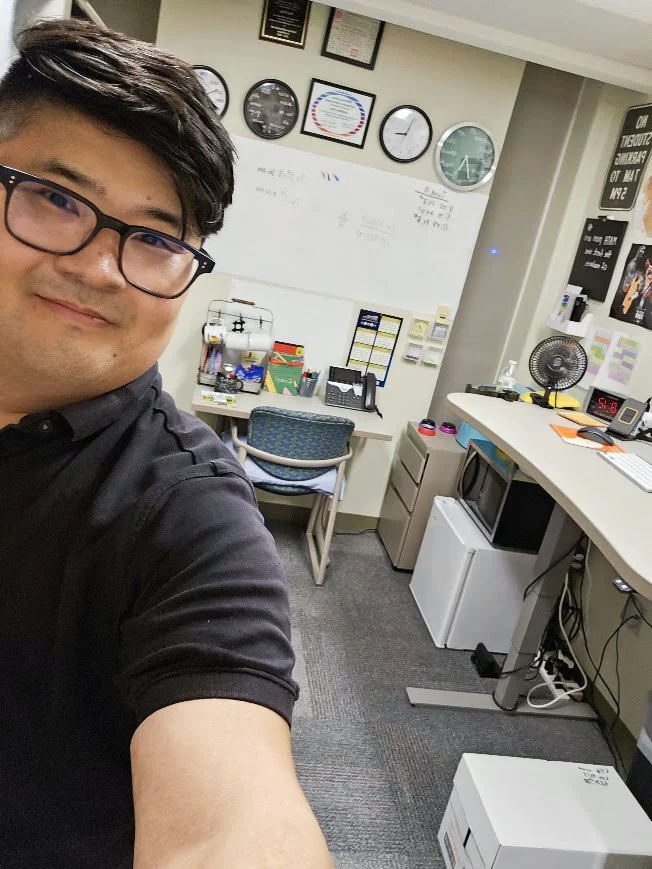
National Adoptee Awareness Month has given me another opportunity to think about how my experiences as an adoptee continue to influence my life. The more I've explored my Korean heritage as an adult, the more I've found myself reconsidering experiences that seemed perfectly ordinary when I was younger.
One thing that stands out is how often I've found connections between parts of my life that I wouldn't necessarily have associated with adoption before. Teaching a lesson about Korean convenience stores made me think about the education I might have received in Korea. The recent elections reminded me of how little politics was discussed in my childhood home and how that might have influenced my views today. And seeing Korean culture become so popular has made me appreciate the opportunities I now have to experience things that weren't part of my upbringing.
I can't change the circumstances of my childhood or know how my life might have turned out differently, but I can continue finding opportunities to connect with my heritage and share those experiences with others. That's part of what motivates me to bring more international examples into my classroom and participate in the cultural activities of my community.
I hope National Adoptee Awareness Month encourages other adoptees to recognize that our connections to our heritage don't all develop in the same way or at the same time. Sometimes those connections come through visiting our birth countries, while others may come through experiences much closer to home. Even something as ordinary as a math problem or a favorite Korean snack can provide an opportunity to explore a part of ourselves that we might not have considered before.
