THIS MONTH IN THE KOREAN ADOPTEE COMMUNITY - October 2026
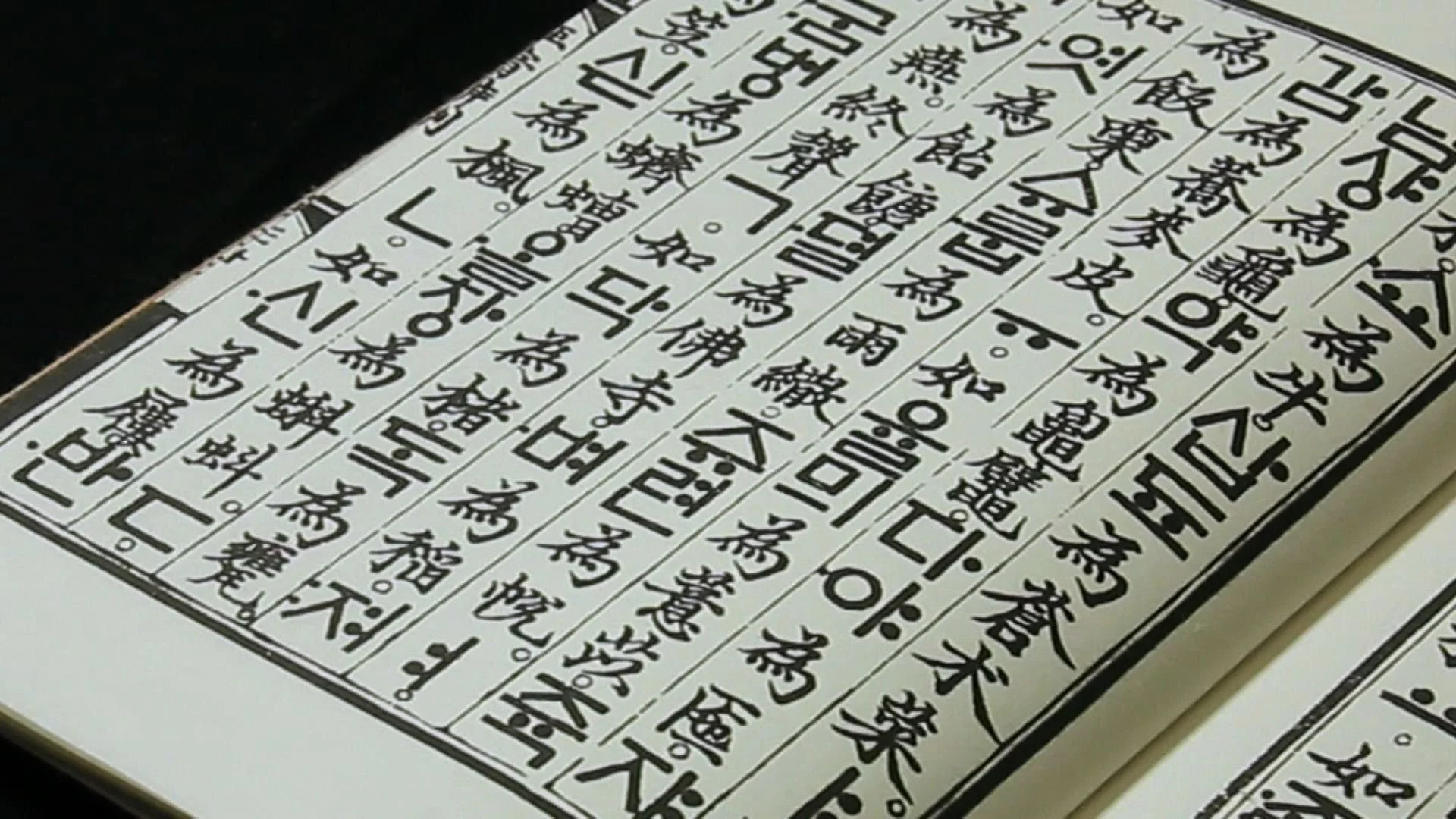
Hunminjeongum Manuscript 훈민정음 해례본
By Jon Oaks
Celebrating Korean History and Language
October is an important month for Korean culture, with two national holidays celebrated earlier this month: National Foundation Day on October 3 and Hangeul Day on October 9. Both holidays offer opportunities to learn more about Korean history and heritage, particularly for adoptees who may not have grown up knowing their significance. A recent conversation with some friends who are also Korean adoptees made me realize how much there is that many of us still don't know about these holidays. That conversation inspired me to share a little about their history and significance in this month's newsletter.
National Foundation Day (개천절, Gaecheonjeol) was celebrated on October 3 and commemorates the legendary founding of Gojoseon, traditionally dated to 2333 BCE and considered Korea's first kingdom. According to Korean mythology, Dangun (단군) founded Gojoseon after his mother, Ungnyeo (웅녀), was transformed from a bear into a human. The name Gaecheonjeol translates to "Opening of Heaven Day" and reflects the mythological origins of the Korean nation.
Just a few days later, South Korea celebrated Hangeul Day (한글날, Hangeulnal) on October 9. The holiday recognizes the creation of Hangeul (한글), the Korean writing system developed in 1443 during the reign of King Sejong the Great and introduced in 1446 through a publication called Hunminjeongeum (훈민정음).
Before its creation, written communication in Korea relied heavily on Chinese characters, making literacy difficult for much of the population. Hangeul was designed to make reading and writing more accessible to ordinary Koreans. This year's celebration was especially significant because 2026 marked the 100th anniversary of the first Hangeul Day observance. First celebrated in 1926 as Gagyanal (가갸날), the holiday was later renamed Hangeul Day and eventually established on October 9.
Friendship and the Korean Adoptee Experience
I've also been thinking about the friendships I've developed within the Korean adoptee community and how much those relationships mean to me. One thing I appreciate about meeting other Korean adoptees is the unwritten bond that often seems to exist between us. There is something comforting about meeting someone who looks like me and may understand parts of my experience that I would otherwise have to explain. Conversations with other adoptees can sometimes feel more natural because of that shared connection. A recent experience with another adoptee made me appreciate the close friendships I've formed over the years while also reminding me that having adoption in common does not necessarily mean that two people will become close friends.
Making friends as adults can be difficult for anyone and may be especially challenging for adoptees who struggled to develop friendships while growing up. My own efforts to connect with Korean adoptees in the area over the years have had mixed results. Some invitations have gone unanswered or been repeatedly declined despite opportunities to get together without much travel or planning. I've also experienced the opposite situation in which someone wanted to develop a closer friendship much faster than I was comfortable with. A recent disagreement with another adoptee over plans to get together eventually led me to reconsider our friendship. I had hoped we could work through our differences and continue getting to know one another. Ultimately, I decided it was better to maintain some distance because our expectations of the friendship were simply too different.
I share this experience because I think it is important to remember that being part of the same adoptee community does not mean we have to approach friendships in the same way. I find it more natural to get to know someone gradually through occasional community events or plans to get together every few weeks rather than immediately spending every weekend together. Friendships also require some reciprocity. This can be as simple as responding to an invitation or occasionally reaching out first. Other adoptees may have different expectations about how frequently they communicate or spend time together. Those differences are perfectly reasonable and should be respected. Being welcoming to someone within the adoptee community does not mean we are obligated to develop a close personal friendship.
Connecting with Community
The Korean adoptee community brings together people who share aspects of our experiences, but building relationships takes time and mutual understanding. Whether attending an event for the first time or reconnecting with familiar faces, these gatherings give us a chance to meet other adoptees and get to know one another without the pressure of developing a close friendship.
The following are just a few upcoming opportunities to connect with Korean adoptees and the broader Korean community.
Calendar of Events
October 15–16 – Korean Center, Inc. (KCI) will host free K-Beauty workshops as part of its Sejong Culture Academy at the Korean Center in San Francisco, California. Participants will explore Korean beauty techniques and self-care practices. No prior experience is required, and registration closes October 12. Register here.
October 16–17 – Korean Center, Inc. (KCI) will host free Traditional Korean Games workshops as part of its Sejong Culture Academy at the Korean Center in San Francisco, California. The family-friendly sessions will introduce participants to traditional Korean games, with all materials provided. Registration closes October 12, and space is limited. Register here.
October 17 – Friends of Korea, Korean Connection, and the Consulate General of the Republic of Korea in Chicago will host a Korean cultural event at the KROC Center in Grand Rapids, Michigan. The afternoon will include networking, live performances, presentations on Korean culture and Korean War veterans, and activities celebrating Hanbok Day. Read more here.
October 22 – The University of Michigan's Nam Center for Korean Studies will host a lecture by Jinwon Kim of Smith College at Weiser Hall in Ann Arbor, Michigan, with virtual attendance available via Zoom. The presentation will explore how Korean popular culture and tourism have transformed Manhattan's Koreatown into a destination for food, entertainment, and cultural consumption. Zoom registration is required. Register here
October 30–31 – The University of Michigan's Nam Center for Korean Studies will host an international conference titled Transpacific Lives in an American Century: Ilhan New as Method at Weiser Hall in Ann Arbor, Michigan. The conference will explore the life and legacy of Korean independence activist and entrepreneur Ilhan New, examining his contributions to Korean and American history and the connections between the two countries. Read more here.
November 7 – Association of Korean Adoptees San Francisco (AKASF) will host a Kimjang (김장) Kimchi-Making Workshop in El Sobrante, California. Led by Laurie Jean, the hands-on workshop will introduce participants to the Korean tradition of making kimchi together, with opportunities to connect with fellow adoptees and their families. Admission is $45 and includes all materials and kimchi to take home. Advance registration is required. Register here.
Ongoing – Saturdays – Woori Center hosts its Woori Madang Janggu Class, a weekly Korean traditional drumming gathering in Pennsylvania. Participants can learn and enjoy traditional Korean rhythms while meeting new people and connecting with the local community. For more information or to apply, visit their website.
Looking Ahead
As we move further into October, I encourage adoptees to think about the relationships they have developed within the community and whether there are opportunities to strengthen those connections. Perhaps this is a good month to attend an event for the first time or reach out to another adoptee you've been meaning to connect with. Something as simple as introducing yourself to someone at a gathering or extending an invitation to meet for coffee could be the beginning of a friendship. At the same time, not every connection will develop into a close friendship, and that is perfectly fine. Respecting personal boundaries and being clear about our expectations can help prevent misunderstandings and make our community a more welcoming place for everyone.
For those of us who have spent years trying to find our place within the Korean adoptee community, it can be tempting to place a great deal of importance on every new connection. I certainly understand that feeling, especially when opportunities to meet other adoptees may have been limited for much of our lives. However, I have come to appreciate that finding community and finding friendship are not always the same thing. We can still appreciate the connections we share as adoptees without expecting every relationship to develop into a friendship. Understanding that distinction may help us appreciate the community we have while allowing individual relationships to develop at their own pace.